


News


Hollow Plastic Balls Exporter China Global Shipping and Quality Standards
Introduction to Global Demand for Hollow Plastic Balls
In today’s highly interconnected industrial supply chain, the demand for lightweight, corrosion-resistant, and cost-effective components continues to rise. Among these, hollow plastic balls have emerged as a versatile solution across multiple industries, including water treatment, chemical processing, automotive systems, and fluid control applications. Their unique balance of durability, low density, and chemical stability makes them indispensable in modern engineering design.
As international buyers increasingly seek dependable sourcing partners, China has become a leading hub for manufacturing and exporting precision-engineered plastic ball solutions. Companies like Eurasian have positioned themselves as trusted partners by combining advanced production capabilities with strict adherence to global quality standards and export requirements.
In this blog post, Changzhou Eurasian, as high quality custom plastic balls China exporter, will share the role of hollow plastic balls for global shipping and quality standards, covering materials, production, quality systems, logistics, and practical considerations for international procurement.
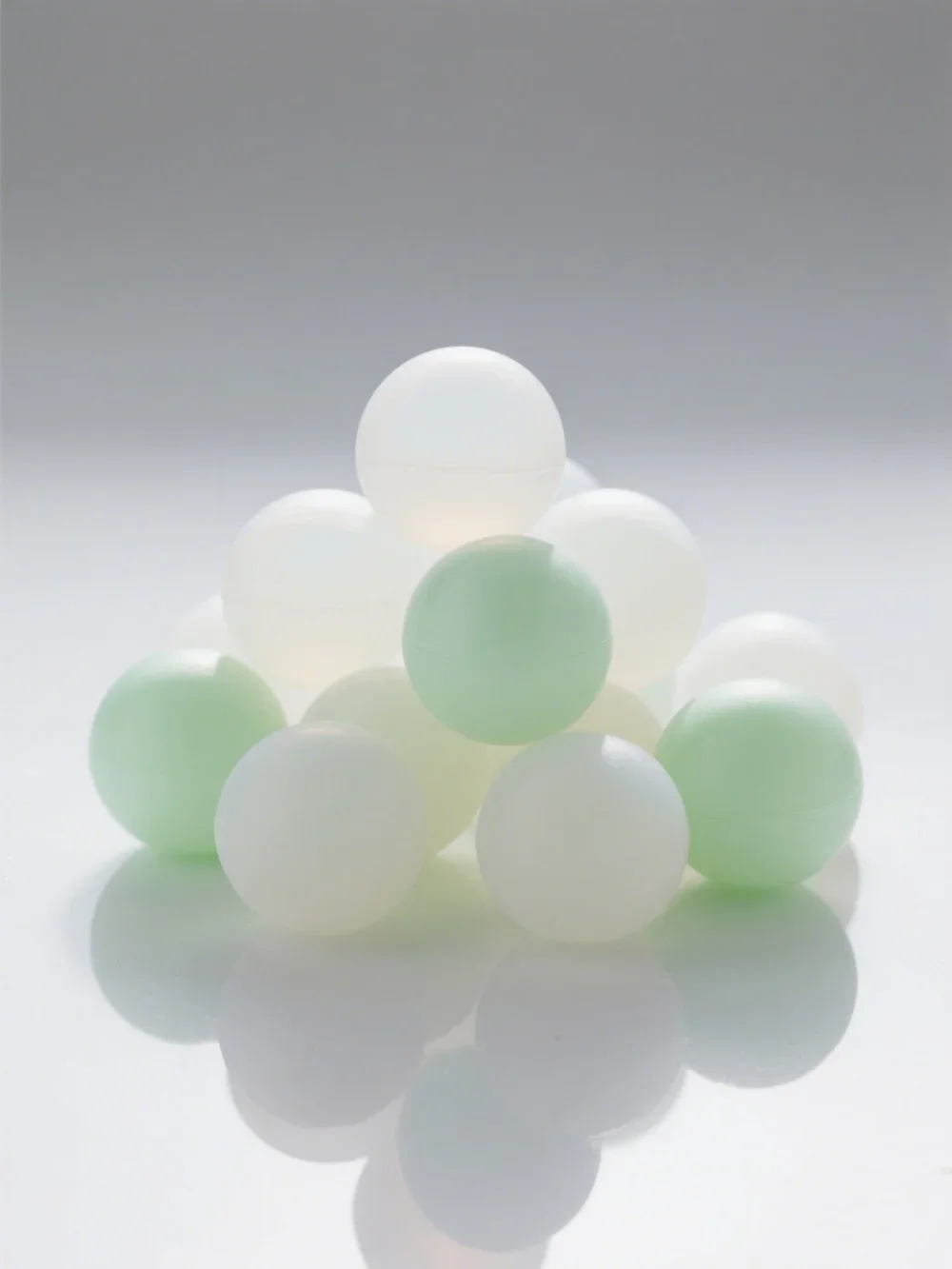
Material Engineering Behind Hollow Plastic Balls
Core Polymer Options and Performance Characteristics
Material selection plays a decisive role in determining the performance of hollow plastic balls. Among the most commonly used materials are Acetal (POM), polypropylene (PP), polyethylene (PE), and specialized engineering plastics such as Celcon? and Delrin?.
Acetal-based plastic balls are widely recognized for their excellent mechanical strength, low friction coefficient, and dimensional stability. With a specific gravity around 1.42 and low water absorption rates, they maintain structural integrity even in humid or submerged environments.
In contrast, hollow polypropylene plastic balls are particularly valued for their superior chemical resistance and lightweight properties. These are often used in environments exposed to acids, alkalis, or organic solvents, where long-term material stability is critical.
Mechanical and Physical Properties
Key performance indicators include tensile strength, elastic modulus, compressive strength, and elongation at yield. These parameters determine how the balls behave under load, pressure, and dynamic conditions.
For instance, a tensile strength at yield of 10.0 (×100 psi) combined with an elongation of 40% ensures a balance between rigidity and flexibility. This allows the balls to absorb mechanical stress without cracking, making them suitable for low load bearings and valve systems.
Surface finish options—matte or polished—also influence performance, particularly in applications requiring reduced friction or improved flow dynamics.
Manufacturing Precision and Size Control
Importance of Sphericity and Tolerance Grades
Precision is a critical factor in applications such as check valves and bearing systems. Hollow plastic balls are typically classified into grades based on sphericity and dimensional tolerance:
Grade 1: ±0.001" tolerance with high sphericity
Grade 2: ±0.002" tolerance
Grade 3: ±0.005" tolerance
These grading standards ensure that buyers can select products tailored to their specific technical requirements. For high-performance systems, tighter tolerances translate into improved efficiency and longer service life.
Advanced Production Techniques
Modern manufacturing involves precision molding, CNC finishing, and rigorous inspection processes. Eurasian integrates these techniques with automated quality control systems to ensure repeatability and consistency across large production volumes.
The ability to produce sizes as small as 0.3 mm demonstrates the level of technical sophistication achievable in today’s Chinese manufacturing sector.
Industrial Applications Across Global Markets
Versatility in Engineering Systems
Hollow plastic balls for industrial applications are widely used due to their adaptability and cost-efficiency. Common use cases include:
Low load bearing systems
Aerosol spray can agitators
Lightweight check valves
Fluid control mechanisms
Chemical tower packing
Their lightweight nature reduces system inertia, while their corrosion resistance extends operational lifespan in aggressive environments.
Functional Advantages Over Solid Alternatives
Compared to solid balls, hollow designs offer reduced material consumption and lower weight without significantly compromising structural performance. This makes them particularly attractive for applications where mass reduction is a priority.
Additionally, hollow structures can improve buoyancy and flow characteristics, which are critical in filtration and water treatment systems.
Quality Standards and Certification Systems
Automotive-Level Quality Control
One of the key differentiators for a reputable exporter is adherence to internationally recognized standards. Eurasian operates under IATF 16949:2016 certification, which is widely regarded as the benchmark for automotive quality management systems.
This ensures:
Strict process control
Traceability across production batches
Consistent dimensional accuracy
Reduced defect rates
Such standards are particularly important for buyers in regulated industries where reliability is non-negotiable.
Integration of Metal and Polymer Expertise
Eurasian’s background in manufacturing precision metal balls—including chrome steel and stainless steel—provides a unique advantage. The same engineering principles applied in metallurgy, such as microstructure control and dimensional precision, are extended to polymer-based products.
This cross-material expertise enables the company to deliver consistent quality across mixed-material projects, simplifying procurement for international clients.
Global Shipping and Export Capabilities
Export Packaging and Logistics Solutions
Efficient global shipping is a critical component of international trade. Hollow plastic balls are typically packaged in moisture-resistant, impact-protected containers to prevent deformation and contamination during transit.
Eurasian offers:
Customizable packaging options
Bulk and small-batch shipments
Compliance with international shipping regulations
Documentation support for customs clearance
These capabilities ensure that products arrive in optimal condition, regardless of destination.
Managing International Compliance Requirements
Exporting to different regions requires compliance with various standards, including REACH, RoHS, and other environmental regulations. A reliable exporter must be familiar with these requirements and provide the necessary certifications and documentation.
Eurasian’s experience with global OEM clients ensures smooth handling of such regulatory complexities, reducing delays and risks for buyers.
Supply Chain Stability and Production Capacity
Scalable Manufacturing for Global Demand
With production capacities measured in tons per day, Eurasian can support both large-scale industrial orders and customized small-batch requirements. This scalability is essential for buyers managing fluctuating demand or launching new projects.
Flexible minimum order quantities (MOQs) allow customers to test products before committing to full-scale procurement.
Coordinated Delivery for Multi-Material Projects
For projects requiring both metal and plastic components, synchronized delivery becomes crucial. Eurasian’s integrated supply capabilities enable coordinated production and shipping schedules, improving overall project efficiency.
This is particularly beneficial for industries such as automotive and industrial automation, where multiple components must align precisely in both quality and timing.
Cost Efficiency and Procurement Strategies
Balancing Price and Performance
While plastic balls are generally more cost-effective than metal alternatives, buyers must consider total cost of ownership rather than unit price alone. Factors such as durability, maintenance requirements, and system efficiency all contribute to long-term value.
China-based exporters offer competitive pricing due to economies of scale, advanced manufacturing infrastructure, and optimized supply chains.
Strategic Sourcing Considerations
When selecting a hollow plastic balls exporter, buyers should evaluate:
Material compatibility with application requirements
Certification and quality assurance systems
Production capacity and lead times
Export experience and logistics support
A strategic approach to sourcing can significantly reduce operational risks and improve overall project outcomes.
Customization and Engineering Support
Tailored Solutions for Specialized Applications
Not all applications can be addressed with standard products. Customization options include:
Material selection (PP, PE, POM, etc.)
Size and tolerance adjustments
Surface finish modifications
Packaging configurations
Eurasian’s engineering team works closely with clients to develop solutions that meet specific performance and environmental requirements.
Technical Consultation and Design Optimization
Beyond manufacturing, technical support plays a crucial role in ensuring product suitability. This includes guidance on material selection, tolerance specifications, and performance optimization.
Such collaboration helps clients achieve better system efficiency while minimizing trial-and-error costs.
Future Trends in Hollow Plastic Ball Manufacturing
Sustainability and Material Innovation
As environmental concerns become increasingly important, manufacturers are exploring recyclable and bio-based plastics. Lightweight components like hollow plastic balls contribute to energy efficiency by reducing system weight and improving operational performance.
Digitalization and Smart Manufacturing
The integration of digital technologies, such as real-time monitoring and data-driven quality control, is transforming the manufacturing landscape. These advancements enable higher precision, improved traceability, and faster response times to market demands.
Conclusion
Sourcing from a hollow plastic balls exporter in China offers significant advantages in terms of cost efficiency, production capacity, and technical expertise. Companies like Eurasian stand out by combining rigorous quality standards, advanced manufacturing capabilities, and comprehensive export support.
From material selection and precision engineering to global logistics and customization, every aspect of the supply chain plays a role in delivering high-performance solutions for modern industries.
For international buyers seeking dependable partners, understanding these factors is essential to making informed procurement decisions and achieving long-term success in increasingly competitive markets.
FAQ
1. What are the key advantages of sourcing hollow plastic balls from China exporters?
China-based exporters offer competitive pricing, large-scale production capacity, and mature supply chain systems. Experienced manufacturers like Eurasian also provide consistent quality control, flexible customization, and strong export support, making them ideal partners for global procurement.
2. How do hollow plastic balls meet international quality standards?
High-quality suppliers follow globally recognized systems such as IATF 16949 and implement strict inspection processes, including dimensional checks, material testing, and batch traceability. These measures ensure that products meet the requirements of industries like automotive, water treatment, and chemical processing.
3. What materials are commonly used for hollow plastic balls and how to choose?
Common materials include polypropylene (PP), polyethylene (PE), and acetal (POM). Selection depends on the application: PP offers excellent chemical resistance, PE is lightweight and cost-effective, while POM provides higher strength and dimensional stability for precision applications.
4. What factors should be considered for global shipping of hollow plastic balls?
Key considerations include protective packaging, moisture resistance, compliance with international regulations (such as REACH or RoHS), and proper documentation for customs clearance. Reliable exporters ensure safe transit and timely delivery through optimized logistics solutions.
5. Are hollow plastic balls suitable for different industrial applications?
Yes, hollow plastic balls for industrial applications are widely used in low load bearings, check valves, aerosol systems, and water treatment media. Their lightweight structure, corrosion resistance, and cost efficiency make them adaptable to various engineering environments.


