


News


Copper Balls in Electrical Applications: Conductivity & Performance
This comprehensive guide examines the technical performance of copper balls in electrical systems, covering material specifications, conductivity metrics, real-world applications, and critical sourcing considerations for procurement managers and electrical engineers.
Why Copper Balls Excel in Electrical Applications
Superior Electrical Conductivity
Copper ranks second only to silver in electrical conductivity among all metals. Copper balls manufactured from high-purity copper (Cu ≥99.9%) typically deliver conductivity values of 58-60 MS/m (megasiemens per meter) at 20°C (equivalent to 100% IACS per International Annealed Copper Standard), making them ideal for:
Electrical contact points in switches and relays
Busbars and connection terminals requiring low resistance
Grounding systems in high-power equipment
Conductive rolling elements in specialized bearings
The spherical geometry provides consistent contact area and uniform current distribution, minimizing hotspots and voltage drops that can occur with irregular contact surfaces.
Mechanical Properties That Support Electrical Function
Beyond conductivity, copper balls offer mechanical characteristics critical for electrical reliability:
Hardness: 40-90 HV (Vickers Hardness), depending on temper state
Tensile Strength: 200-400 MPa for annealed to cold-worked conditions
Ductility: Excellent formability prevents cracking under vibration
Thermal Conductivity: 385-401 W/(m·K), enabling efficient heat dissipation
These properties ensure that copper balls maintain stable electrical contact even under mechanical stress, thermal cycling, and long-term operational wear.
Material Specifications: What Makes Quality Copper Balls
Purity Grades and Their Impact
Not all copper balls are created equal. Material purity directly affects both conductivity and long-term performance:
| Copper Grade | Purity (Cu%) | Conductivity (% IACS at 20°C) | Typical Use |
|---|---|---|---|
| C10100 (OFE) | 99.99% | 101% | High-frequency RF applications |
| C11000 (ETP) | 99.90% | 100% | General electrical contacts |
| C12200 (DHP) | 99.90% | 80-85% | Applications requiring brazing |
Key Quality Indicator: At Changzhou Eurasian Steel Ball Co., Ltd., we utilize spectroscopy equipment in our quality laboratory to verify copper purity to ±0.1% accuracy, ensuring that every batch meets specified conductivity requirements. This is particularly critical for procurement managers who need traceable material certifications for electrical safety compliance.
Surface Finish and Oxidation Resistance
Bare copper oxidizes when exposed to air, forming copper oxide (Cu?O) that increases contact resistance. Quality manufacturers address this through:
Bright annealing in controlled atmosphere (reduces surface oxidation)
Nickel plating (adds corrosion barrier, see nickel plated steel balls
Tin plating (improves solderability for PCB applications)
Silver plating (maximizes conductivity for premium applications)
Unplated solid copper balls are suitable for enclosed systems, while plated versions extend service life in humid or corrosive environments.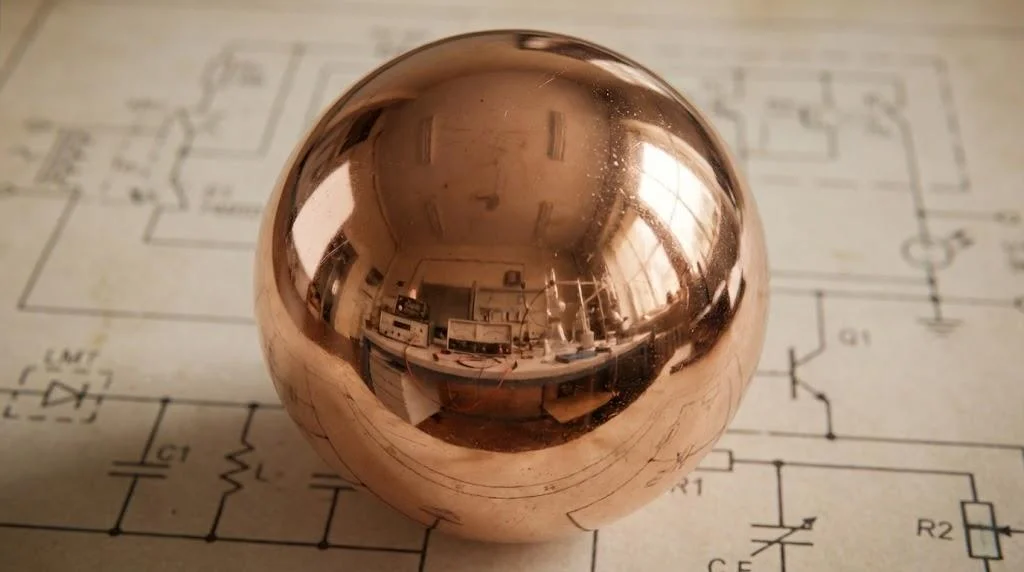
Critical Electrical Applications of Copper Balls
1. High-Voltage Switchgear and Circuit Breakers
In power distribution systems, copper balls serve as:
Arcing contacts that withstand repeated electrical discharge
Rolling contact elements in disconnect switches
Grounding spheres in surge arrestor systems
Performance Requirement: Balls should maintain conductivity above 95% IACS while withstanding arc temperatures that can range from 3,000°C to over 10,000°C depending on the switching medium and current magnitude. This demands not only high purity but also precise sphericity (typically Grade G100, with spherical deviation around 2.5 μm per ISO 3290 standards) to ensure even current distribution.
2. Electronic Connectors and Terminals
Copper components in miniature form (1mm-6mm diameter) are increasingly important in:
Spring-loaded pogo pins for PCB testing fixtures and electrical contact probes
Slip ring contacts in rotary electrical connectors
Relay and switch contacts requiring high cycle life (>1 million operations)
Grounding spheres in precision electronic assemblies
Design Consideration: For high-reliability contact applications, precision copper balls with diameter tolerances of ±0.005mm and spherical deviation under 2.5 μm (Grade G100) are essential to maintain consistent electrical contact and mechanical fit within tight connector housings.
Note on Semiconductor Packaging: While ball grid array (BGA) technology uses spherical components, these are typically solder balls (SAC alloy: Sn-Ag-Cu or traditional Sn-Pb) rather than solid copper balls. Some specialized applications use copper-core solder balls, but this represents a distinct product category from the solid electrical-grade copper balls discussed in this article.
3. Electrical Discharge Machining (EDM)
Copper balls function as electrode materials in sinker EDM and as conductive media in specialized grinding processes. The combination of:
High thermal conductivity (rapid heat dissipation)
Low electrode wear rate
Excellent machinability
makes copper balls cost-effective compared to graphite or tungsten carbide balls for many EDM applications.
4. Electromagnetic Shielding and Grounding
Hollow copper balls offer a unique solution for:
Lightweight conductive fillers in EMI shielding composites
Floating ground connections in sensitive electronic enclosures
Resonant cavity tuning in RF applications
The hollow construction reduces weight by 40-60% compared to solid copper while maintaining surface conductivity, making them ideal for aerospace and portable electronics where weight matters.
Performance Considerations: Conductivity vs. Durability Trade-offs
Temperature Effects on Copper Conductivity
Copper's electrical resistance increases with temperature following the relationship:
R(T) = R?[1 + α(T - T?)]
Where α (temperature coefficient) for pure copper ≈ 0.00393/°C at 20°C
Practical Impact: A copper ball operating at 100°C will exhibit approximately 30% higher resistance compared to its value at 20°C reference temperature. For high-current applications, this necessitates:
Adequate heat sinking design
Use of larger diameter balls to reduce current density
Consideration of brass balls which offer better high-temperature stability at the cost of slightly lower conductivity
Contact Resistance and Surface Contamination
The interface between a copper ball and its mating surface creates contact resistance (Rc) that can exceed the bulk resistance of the copper itself. Key factors include:
Contact force: Higher force reduces Rc by breaking through oxide films
Surface roughness: Smoother surfaces (Ra < 0.4 μm) minimize Rc
Contamination: Oil, dust, or oxide layers can increase Rc by 10-1000x
Quality Assurance: Our vibration measurement equipment and roundness testing (with tolerances verified to 0.001mm) ensure that copper balls maintain optimal surface geometry for minimal contact resistance throughout their service life.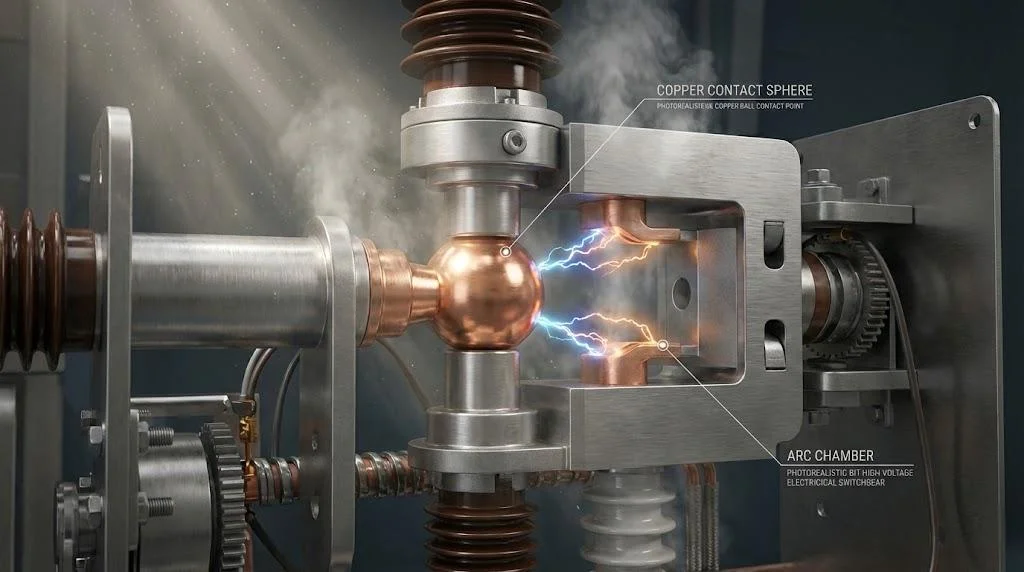
Sourcing Copper Balls: What Electrical Engineers Should Verify
Essential Specifications to Request
When sourcing copper balls for electrical applications, your RFQ should specify:
Material Grade: C11000 minimum for general use, C10100 for RF applications
Diameter Tolerance: ±0.025mm for general, ±0.005mm for precision connectors
Sphericity Grade: G100 minimum (spherical deviation typically ≤2.5 μm per ISO 3290)
Surface Finish: Ra value and plating specification if required
Hardness Range: Specify HV range based on contact force requirements
Electrical Conductivity: Request IACS percentage measured at 20°C per ASTM B193
Certifications That Matter
For electrical safety and supply chain compliance, verify that your supplier provides:
Material test certificates with spectroscopy analysis (verify Cu% purity)
RoHS compliance documentation (essential for EU/US electronics markets)
ISO 9001 or equivalent quality management certification
Third-party inspection reports such as Bureau Veritas or SGS
Changzhou Eurasian Advantage: Our Bureau Veritas (BV) factory inspection certification and in-house spectrometer testing provide procurement managers with the documentation trail required for automotive (IATF 16949:2016) and electronics industry audits, eliminating sourcing risk.
Copper vs. Alternative Conductive Materials
| Material | Conductivity (% IACS at 20°C) | Cost Index | Best Use Case |
|---|---|---|---|
| Copper Balls | 100% | 1.0x | General electrical contacts |
| Silver-Plated Copper | 105% | 1.3x | Premium low-resistance applications |
| Brass Balls | 28-40% | 0.8x | High-wear mechanical-electrical hybrids |
| Aluminum | 61% | 0.3x | Weight-critical, low-current applications |
| Stainless Steel 316 | 2-3% | 1.2x | Corrosive environments (non-conductive) |
While aluminum balls offer weight and cost savings, their rapid oxidation and lower conductivity make them unsuitable for high-reliability electrical contacts. Copper remains the gold standard for applications where conductivity cannot be compromised.
Installation Best Practices for Electrical Copper Balls
Contact Force Optimization
Insufficient contact force leads to high resistance and arcing, while excessive force causes mechanical deformation. General guidelines:
Low-current contacts (<1A): 50-200g contact force
Medium-current (1-10A): 200-500g contact force
High-current (>10A): 500g-2kg, consider multiple contact points
Use spring-loaded mechanisms or calibrated fasteners to maintain consistent force over the product's lifetime.
Environmental Protection
To maximize copper ball lifespan in electrical systems:
Seal contact chambers to minimize oxygen and moisture exposure
Apply contact lubricants (e.g., NYOGEL 760G) to reduce fretting corrosion
Implement periodic cleaning protocols using isopropyl alcohol for accessible contacts
Monitor contact resistance during preventive maintenance intervals
For outdoor or marine applications, switch to 316 stainless steel balls for structural components, reserving copper only for the actual electrical contact surfaces.
Emerging Trends: Copper Balls in Next-Generation Electrical Systems
Electric Vehicle (EV) High-Current Connections
The EV revolution is driving demand for copper balls in:
Battery management system (BMS) connectors handling 400-800V DC
High-power charging contacts rated for 350kW+ fast charging
Thermal management valves in battery cooling circuits
These applications require large copper balls (20-60mm diameter) with ultra-low resistance (<0.1 mΩ) and high cycle life (>100,000 mating cycles).
Renewable Energy Grid Connections
Wind turbines and solar inverters increasingly use copper ball-based connections for:
Slip ring assemblies in turbine yaw and pitch systems
DC bus connections in solar micro-inverters
Grounding spheres in lightning protection systems
The harsh outdoor environment demands plated copper balls or hollow stainless steel balls with copper contact inserts for corrosion resistance.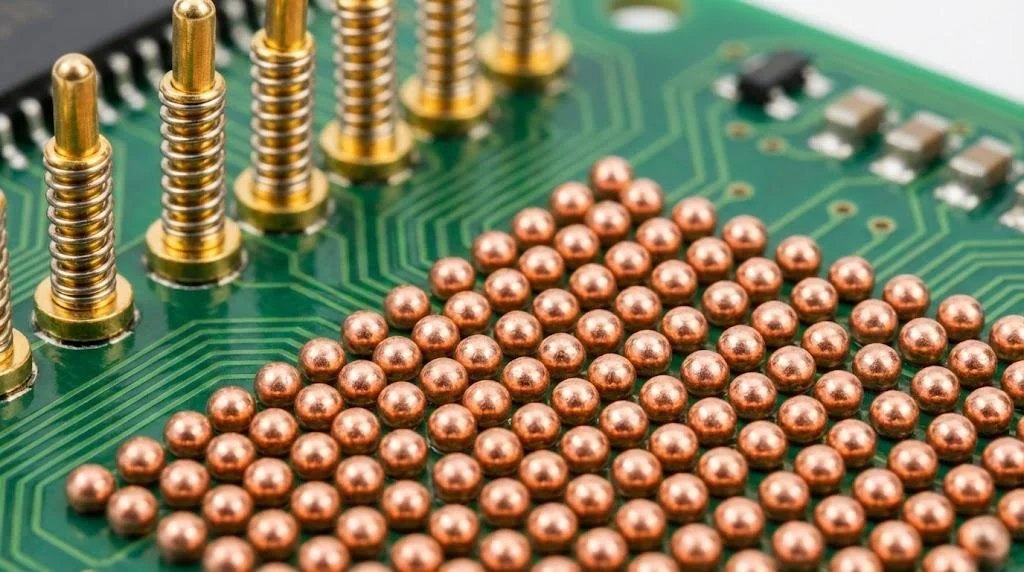
FAQ: Copper Balls for Electrical Applications
What is the minimum purity required for electrical copper balls?
For most electrical contact applications, copper purity should be ≥99.9% (C11000 grade) to achieve conductivity of approximately 100% IACS at 20°C. High-frequency RF applications may require oxygen-free electronic (OFE) copper at 99.99% purity (C10100 grade). Always request material certificates with spectroscopy analysis to verify compliance, and confirm that conductivity values are measured per ASTM B193 standard.
How does copper ball size affect electrical resistance?
Electrical resistance is inversely proportional to the cross-sectional area. A 10mm diameter copper ball has 4x lower resistance than a 5mm ball of the same material. However, contact resistance (at the ball-to-surface interface) often dominates total resistance in small assemblies, making surface finish and contact force more critical than ball size for diameters under 3mm.
Can copper balls be used in high-vibration electrical environments?
Yes, but design considerations are essential. Copper's ductility helps it withstand vibration better than brittle materials like ceramic balls . Use spring-loaded contacts to maintain force, specify higher hardness copper (70-90 HV) to resist fretting wear, and consider copper balls with nickel underplate + gold flash for ultimate reliability in aerospace/defense applications.
What's the difference between solid and hollow copper balls for electrical use?
Solid copper balls provide maximum current-carrying capacity and mechanical strength, ideal for high-current contacts and structural elements. Hollow copper balls offer 40-60% weight reduction while maintaining surface conductivity, making them suitable for EMI shielding fillers, lightweight connectors, and applications where current flows primarily on the surface (skin effect at high frequencies).
How do I prevent copper ball oxidation in long-term storage?
Store copper balls in sealed, nitrogen-purged containers with desiccant packs to minimize oxygen exposure. For production use, apply temporary corrosion inhibitors (e.g., VCI paper wraps) or specify plated copper balls (tin, nickel, or silver) that resist oxidation. Properly stored bare copper balls maintain conductivity for 12+ months; plated versions remain stable for years.
Are copper balls compatible with lead-free solder in electronics assembly?
Yes, copper components work well with SAC (tin-silver-copper) lead-free solders common in RoHS-compliant electronics. Important clarification: The "balls" in ball grid array (BGA) packaging are solder balls (SAC alloy), not solid copper balls. However, tin-plated copper balls can be used as electrical contacts in assemblies that undergo wave soldering or reflow processes. For processes above 260°C, verify that your supplier's copper balls are stress-relieved to prevent cracking during thermal cycling, and consider the copper dissolution rate into liquid solder when designing joint geometry.
Conclusion: Choosing the Right Copper Ball Supplier
The performance of copper balls in electrical applications depends not just on material purity, but on precision manufacturing, rigorous quality control, and consistent supply chain reliability.
When evaluating suppliers, look beyond price to assess:
In-house testing capabilities (spectrometry, hardness, roundness)
Traceability systems that link each batch to material certificates
Technical support that understands your specific electrical requirements
Certifications that satisfy your industry's compliance needs (IATF 16949, RoHS, REACH)
At Changzhou Eurasian Steel Ball Co., Ltd., our combination of advanced quality laboratory equipment (spectrometer, roundness tester, hardness tester), international certifications (Bureau Veritas, IATF 16949:2016), and 15+ years of precision ball manufacturing expertise ensures that your copper balls deliver the conductivity and reliability your electrical systems demand.
Whether you need miniature precision copper balls for electronic connectors or large copper spheres for industrial switchgear, our engineering team can help you select the optimal specifications for your application.
Ready to source copper balls for your next electrical project? Contact our technical sales team for material recommendations, custom sizing options, and rapid prototyping support.
Related Products:
Brass Balls - Copper alloy alternative with enhanced wear resistance
Chrome Steel Balls - Non-conductive rolling elements for hybrid applications
Nickel Plated Steel Balls - Corrosion-resistant alternatives for structural use
Hollow Stainless Steel Balls - Lightweight non-conductive spheres for shielding chassis


