

Products

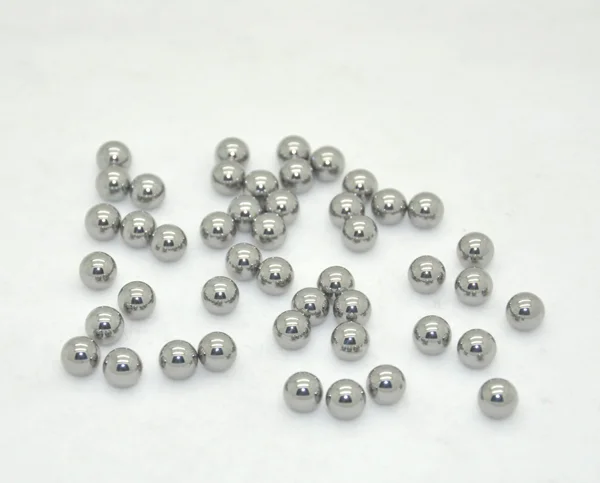
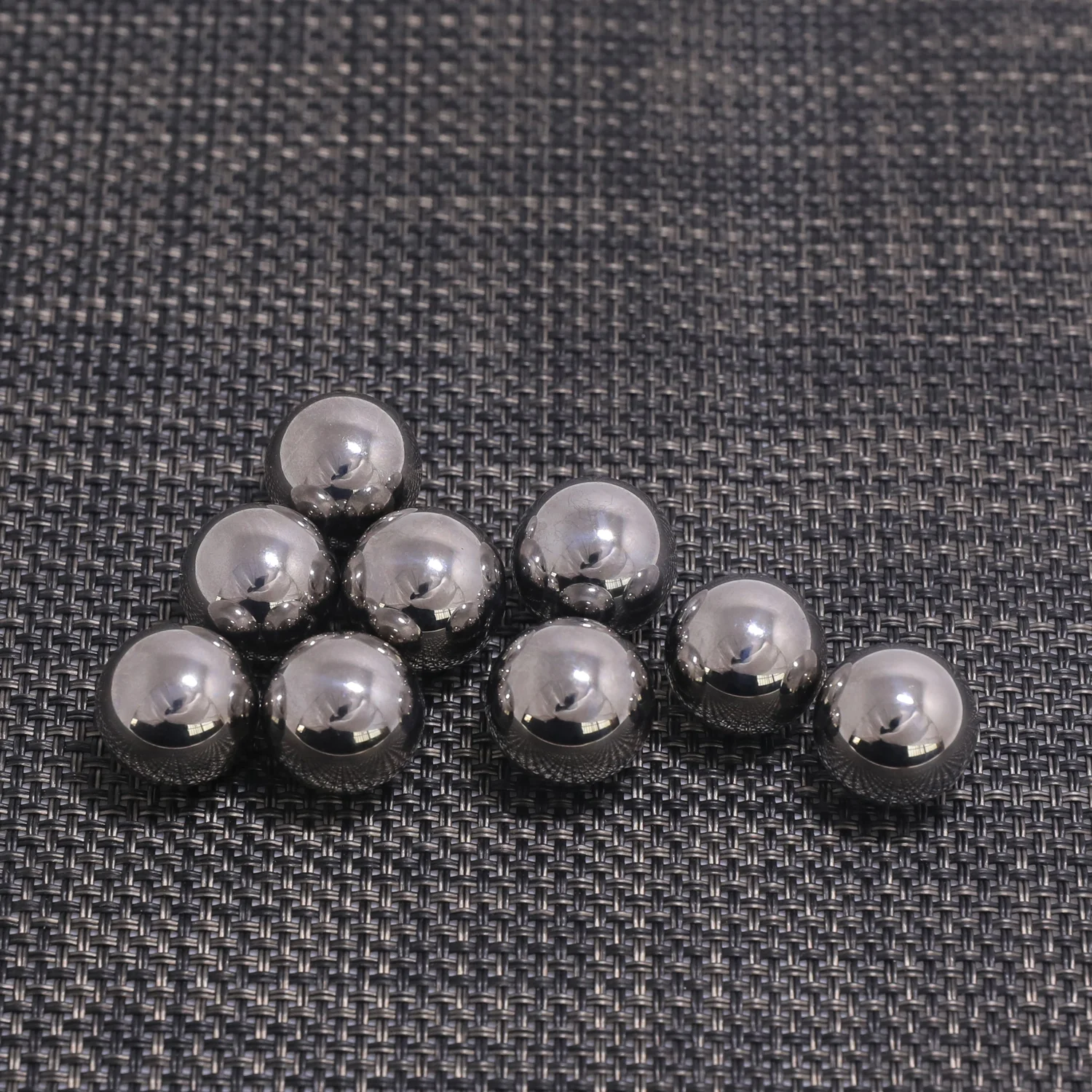
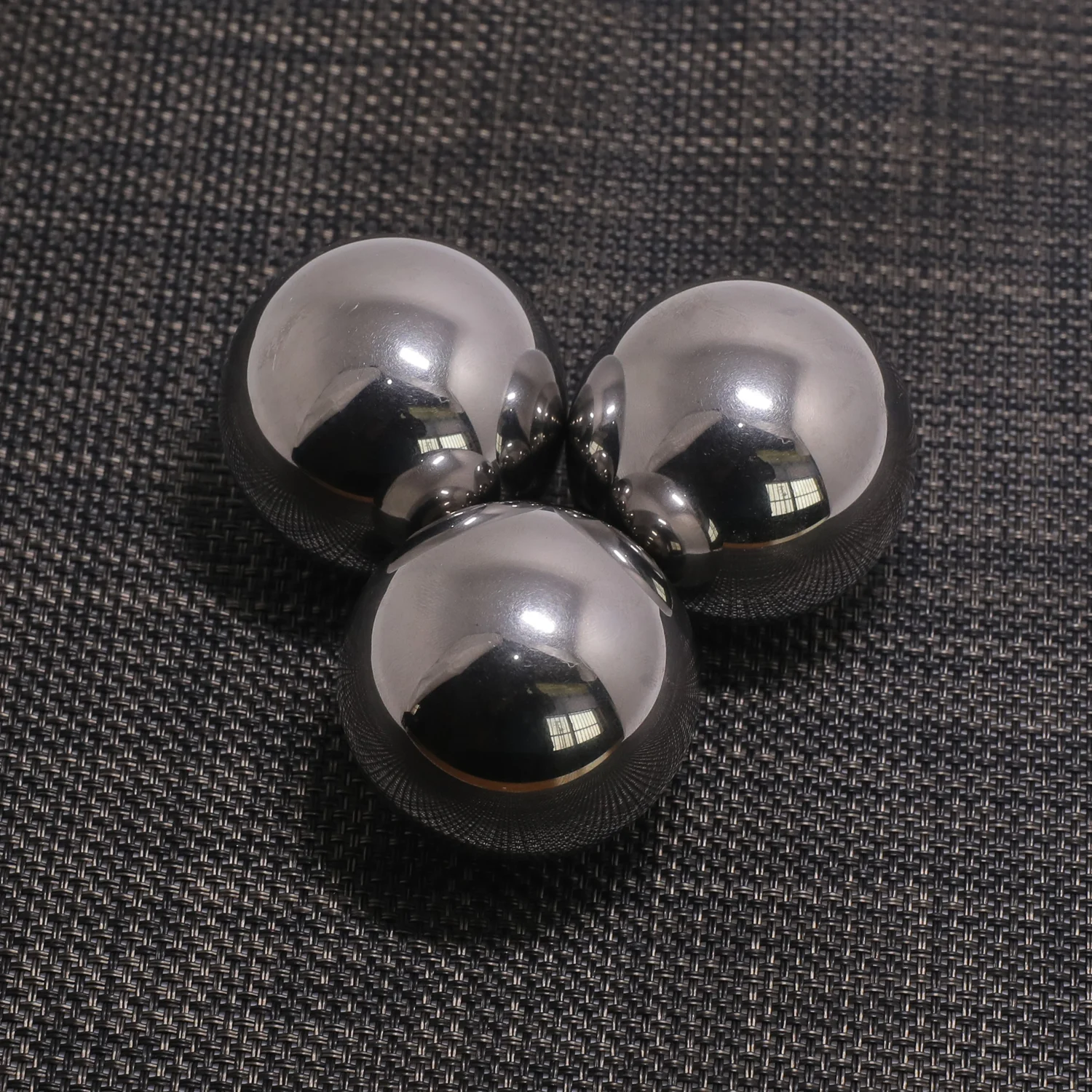
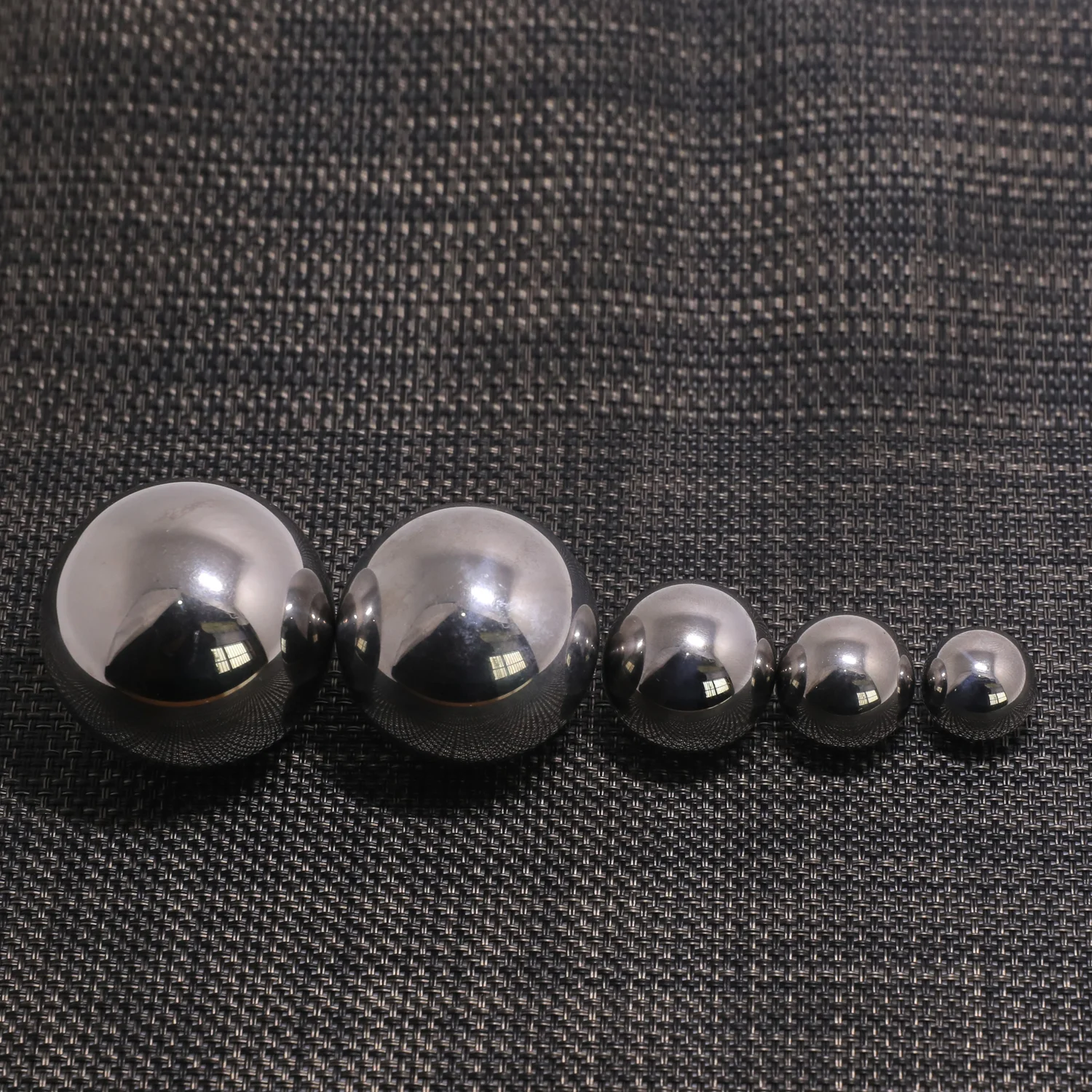
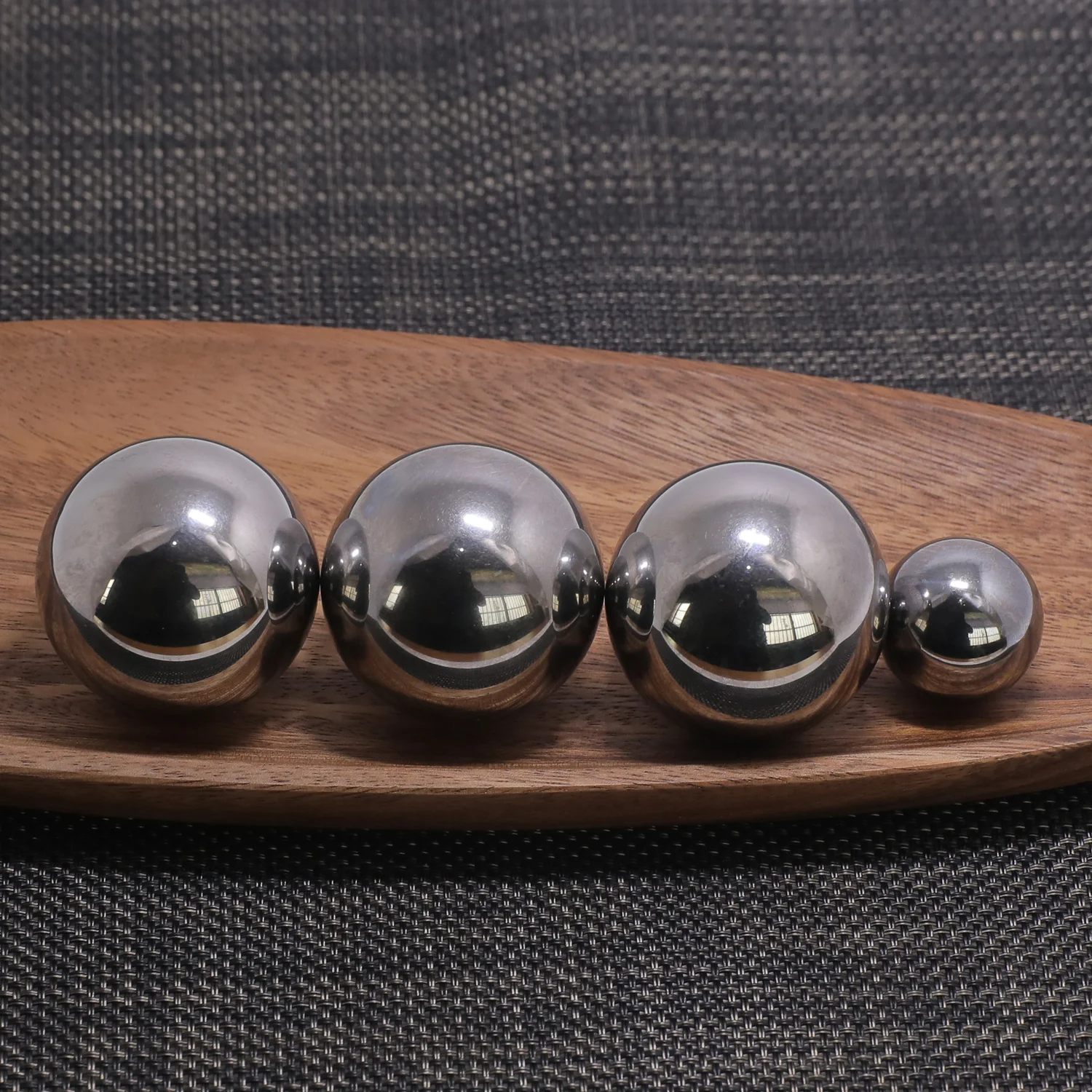
XM-19 Steel Balls


Our XM-19 steel balls offer twice the yield strength of standard 316 stainless steel while maintaining outstanding corrosion resistance that surpasses conventional austenitic grades. Designed for extreme environments, these precision-engineered balls ensure extended service life and reliable performance in the most challenging operating conditions.
Key Features & Benefits
Superior Corrosion Resistance
Outperforms 316 and 317 stainless steel in marine, chemical, and chloride environments
PREN (Pitting Resistance Equivalent Number) exceeds 34, comparable to duplex stainless steel
Excellent resistance to sulfide stress corrosion and intergranular attack
Ideal for saltwater, chemical processing, and corrosive industrial applications
Exceptional Mechanical Properties
Double the yield strength of 304 and 316 SS in annealed condition
Enhanced wear resistance through nitrogen strengthening
Superior impact strength across wide temperature ranges (-196°C to 400°C)
Non-magnetic properties retained even after severe cold work
Hardness up to 35 HRC in high-strength condition
Premium Precision Manufacturing
Manufactured to ABEC/ISO precision grades
Sphericity and surface finish meet stringent bearing standards
Available in grades from G10 to G100 for various precision requirements
Diameter tolerance within ±0.0001 inch (±0.0025 mm)
Extended Service Life
Significantly reduced maintenance costs
Minimal wear and deformation under high loads
Excellent fatigue resistance for long-term reliability
Reduced replacement frequency compared to standard materials
Technical Specifications
| Property | Value/Range |
|---|---|
| Material Designation | XM-19, Nitronic 50, UNS S20910 |
| Material Type | Nitrogen-Strengthened Austenitic Stainless Steel |
| Standards Compliance | ASTM A276, ASTM A479, ASTM A182 |
| Chromium Content | 20.5 - 23.5% |
| Nickel Content | 11.5 - 14.5% |
| Molybdenum Content | 1.5 - 3.0% |
| Nitrogen Content | 0.20 - 0.40% |
| Manganese Content | 4.0 - 6.0% |
| Density | 7.85 g/cm3 (0.283 lb/in3) |
| Hardness (Annealed) | 25-30 HRC |
| Hardness (High Strength) | 30-35 HRC |
| Yield Strength | 2x that of 316 SS |
| Magnetic Properties | Non-magnetic (all conditions) |
| Operating Temperature | -196°C to 400°C (-320°F to 752°F) |
| PREN Value | >34 |
Available Sizes & Grades
Standard Diameter Ranges
Miniature: 0.5mm - 6mm
Small: 6.35mm (1/4") - 12.7mm (1/2")
Medium: 15.875mm (5/8") - 25.4mm (1")
Large: 28.575mm (1-1/8") - 50.8mm (2")
Custom sizes available upon request
Precision Grades
| Grade | Tolerance | Typical Applications |
|---|---|---|
| G10 | ±0.13 μm | Ultra-precision instruments, aerospace |
| G25 | ±0.25 μm | High-precision bearings, medical devices |
| G50 | ±0.50 μm | Industrial bearings, pumps |
| G100 | ±1.00 μm | General industrial applications |
Applications
Marine & Offshore
Marine pump shafts and bearings
Valve stems for subsea equipment
Deck hardware and fixtures
Propeller shaft bearings
Underwater vehicle components
Chemical & Petrochemical
Pump bearings in corrosive media
Valve trim components
Chemical processing equipment
Fertilizer plant machinery
Acid handling systems
Oil & Gas Industry
Downhole equipment bearings
Wellhead valves
Pipeline equipment
Drilling equipment components
High-pressure applications
Aerospace & Defense
Aircraft control systems
Helicopter components
Precision instruments
Non-magnetic requirement applications
Food & Pharmaceutical
Food processing equipment
Sanitary pumps and valves
FDA-compliant applications
Clean room equipment
Pulp & Paper Industry
Valve components
Pump bearings
Corrosion-resistant fittings
Comparison with Other Bearing Materials
| Material | Corrosion Resistance | Strength | Magnetic | Cost | Best Use |
|---|---|---|---|---|---|
| XM-19 (Nitronic 50) | Excellent | Very High | No | High | Marine, chemical, high-load |
| 316 Stainless Steel | Good | Medium | No | Medium | General corrosive environments |
| 440C Stainless Steel | Good | High | Yes | Medium | General precision bearings |
| 52100 Chrome Steel | Poor | High | Yes | Low | Dry, non-corrosive applications |
| Ceramic (Si3N4) | Excellent | Very High | No | Very High | Ultra-high speed, extreme temps |
Quality Assurance
100% dimensional inspection
Surface finish verification
Material composition testing
Hardness testing per batch
Magnetic property verification
Certified to international standards
Full traceability documentation
Certificate of Compliance included
Why Choose XM-19 Steel Balls?
? Cost-Effective: Reduced maintenance and replacement costs offset higher initial investment
? Reliable Performance: Proven track record in harsh environments
? Extended Life: Significantly longer service life than standard materials
? Versatile: Suitable for diverse industrial applications
? Non-Magnetic: Critical for sensitive applications
? Temperature Resistant: Maintains properties across extreme temperature ranges
? Standards Compliant: Meets ASTM and international specifications
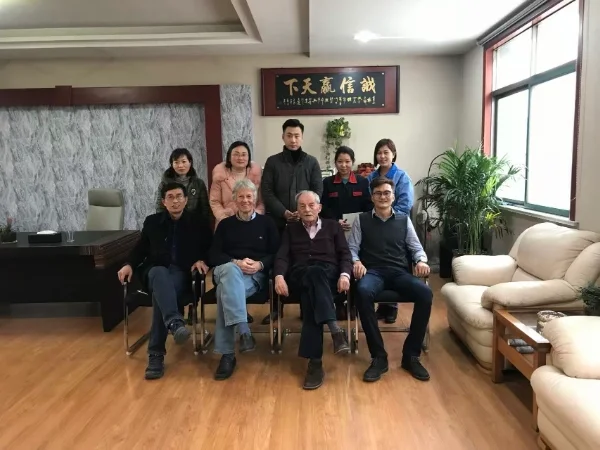
Why Choose Eurasian
Certified quality for demanding industries
Our manufacturing and quality systems are certified to IATF 16949:2016 and other international standards, widely recognized by global automotive and precision industries. This allows us to apply strict automotive-level process control to chrome steel balls, high chrome steel grinding media balls, aluminum balls, and other industrial balls, ensuring stable performance batch after batch.
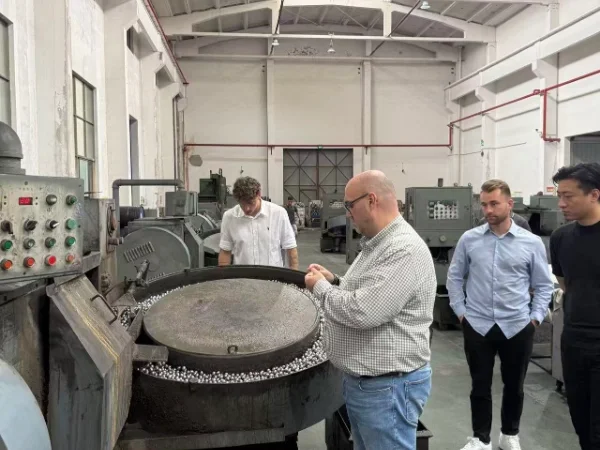
Strong heat treatment and materials know-how
Eurasian has long experience as a chrome steel ball manufacturer, producing high-precision chrome steel balls, stainless steel balls, and carbon steel balls, supported by CQI-9-based heat treatment and advanced inspection equipment. The same metallurgical and process expertise is applied when developing and manufacturing aluminum balls, providing consistent hardness, microstructure, and dimensional accuracy across all materials.
Full range of precision balls from one source
From chrome steel balls (bearing steel, GCr15 / AISI 52100) to stainless steel, aluminum, carbon steel, and special balls, Eurasian can support multiple projects and platforms with one consolidated supply base. This helps simplify supplier management, align quality standards, and reduce total procurement and logistics costs.
Experience with global OEM and export customers
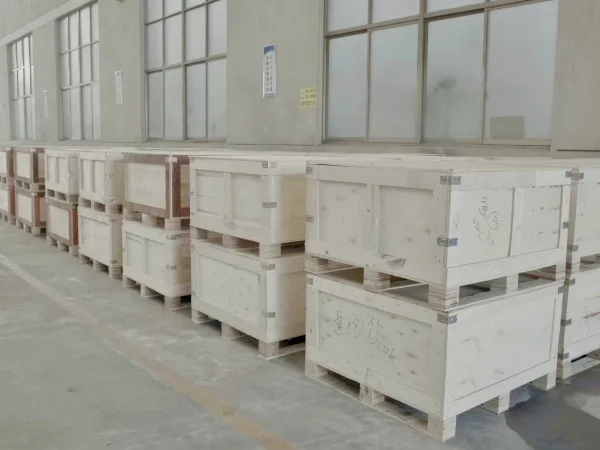
Eurasian supplies precision balls for automotive seat systems, wheel bearings, industrial equipment, and other export applications, including chrome steel balls and high chrome steel grinding media balls, through long-term cooperation with overseas customers. Our team is familiar with international documentation, packaging, and inspection requirements, making your sourcing smoother and more predictable.
Stable capacity and flexible cooperation
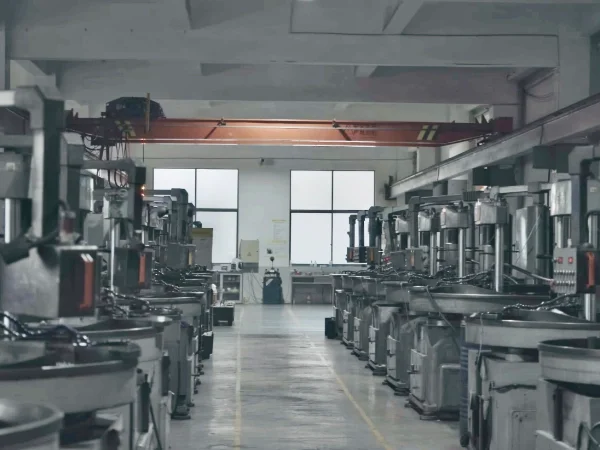
With established production lines and daily capacity measured in tons, we can support both trial orders and large-volume programs with reliable delivery times. Flexible MOQs, customized packaging, and responsive communication help you introduce chrome steel balls into new projects while controlling risk and lead time.
Frequently Asked Questions (FAQ)
General Questions
Q1: What is XM-19 steel, and how is it different from regular stainless steel?
A: XM-19 (also known as Nitronic 50 or UNS S20910) is a nitrogen-strengthened austenitic stainless steel with significantly enhanced properties compared to standard 300-series stainless steels. It contains higher levels of chromium, molybdenum, and nitrogen, providing approximately twice the yield strength of 316 stainless steel while offering superior corrosion resistance. The key difference is its combination of high strength and excellent corrosion resistance in a single material.
Q2: Why are XM-19 steel balls more expensive than standard stainless steel balls?
A: XM-19 steel balls command a higher price due to their enhanced alloying elements (higher nitrogen, chromium, and molybdenum content), specialized manufacturing processes, and superior performance characteristics. However, the total cost of ownership is often lower because of extended service life, reduced maintenance, and fewer replacements needed compared to standard materials.
Q3: Are XM-19 steel balls suitable for food-grade applications?
A: Yes, XM-19 stainless steel is FDA-compliant and suitable for food processing and pharmaceutical applications. The material provides excellent corrosion resistance to food acids and cleaning chemicals while maintaining sanitary surface properties.
Technical Questions
Q4: What is the maximum operating temperature for XM-19 steel balls?
A: XM-19 steel balls can operate continuously at temperatures up to 400°C (752°F) while maintaining their mechanical properties. They also perform exceptionally well at cryogenic temperatures down to -196°C (-320°F), making them versatile for both high and low-temperature applications.
Q5: Are XM-19 steel balls magnetic?
A: No, XM-19 steel balls are non-magnetic in all conditions, including after severe cold working. This makes them ideal for applications where magnetic interference must be avoided, such as aerospace instruments, medical devices, and precision measuring equipment. This is a significant advantage over materials like 17-4 PH or 440C, which are magnetic.
Q6: How does the hardness of XM-19 compare to other bearing materials?
A: In the annealed condition, XM-19 has a hardness of 25-30 HRC. In the high-strength condition, it reaches 30-35 HRC. While not as hard as heat-treated 440C (58-62 HRC) or 52100 chrome steel (60-64 HRC), XM-19 compensates with superior corrosion resistance and work hardening properties that increase surface hardness during operation.
Q7: Can XM-19 steel balls be used in saltwater or marine environments?
A: Absolutely. XM-19 is one of the best materials for marine applications. Its high chromium and molybdenum content, combined with nitrogen strengthening, provides exceptional resistance to pitting and crevice corrosion in chloride-rich environments like seawater. It significantly outperforms 316 and 317 stainless steel in these conditions.
Q8: What precision grades are available for XM-19 steel balls?
A: XM-19 steel balls are available in precision grades ranging from G10 (ultra-precision) to G100 (general industrial). The grade selection depends on your application requirements. Higher-precision grades (lower numbers) have tighter tolerances on diameter, sphericity, and surface finish.
Application Questions
Q9: What are the most common applications for XM-19 steel balls?
A: The most common applications include:
Marine pump and valve components
Chemical processing equipment bearings
Oil and gas downhole equipment
Food processing machinery
Valve stems and trim components
Aerospace instruments
Pump shafts in corrosive environments
Any application requiring both high strength and corrosion resistance
Q10: Can XM-19 steel balls be used in high-speed bearing applications?
A: Yes, XM-19 steel balls are suitable for high-speed applications, though the operating speed should be determined based on the complete bearing assembly design, lubrication system, and load conditions. While ceramic balls may be preferred for ultra-high-speed applications, XM-19 offers an excellent balance of speed capability and corrosion resistance.
Q11: Are XM-19 steel balls suitable for cryogenic applications?
A: Yes, XM-19 maintains excellent impact strength and mechanical properties at cryogenic temperatures down to -196°C. Unlike some materials that become brittle at low temperatures, the austenitic structure of XM-19 ensures reliable performance in cryogenic service.
Q12: How do XM-19 steel balls perform under heavy loads?
A: XM-19 steel balls excel under heavy loads due to their high yield strength—approximately double that of 316 stainless steel. The work hardening characteristics of the material also mean that surface hardness increases during operation, enhancing wear resistance over time.
Maintenance & Performance Questions
Q13: What is the expected service life of XM-19 steel balls compared to standard materials?
A: Service life depends on operating conditions, but XM-19 typically provides 2-5 times longer service life than 316 stainless steel balls in corrosive environments. In non-corrosive applications with high loads, the superior strength extends bearing life significantly. The exact improvement varies based on specific application parameters.
Q14: Do XM-19 steel balls require special lubrication?
A: XM-19 steel balls are compatible with standard bearing lubricants including mineral oils, synthetic oils, and greases. No special lubrication is required, though proper lubricant selection based on operating temperature and environment is always recommended for optimal performance.
Q15: How resistant is XM-19 to stress corrosion cracking?
A: XM-19 has good resistance to stress corrosion cracking. While it can crack under extreme conditions (like boiling magnesium chloride solutions), it performs similarly to or better than 316 stainless steel in most practical applications. For sour gas environments, XM-19 has excellent resistance to sulfide stress cracking and is included in NACE MR-01-75 standards.
Q16: Can XM-19 steel balls be used in acidic environments?
A: Yes, XM-19 provides excellent corrosion resistance to many acids, particularly those that cause pitting corrosion in standard stainless steels. However, specific acid type, concentration, and temperature should be evaluated. XM-19 is particularly effective against phosphoric acid, nitric acid, and organic acids commonly found in food processing.
Manufacturing & Ordering Questions
Q17: What is the lead time for XM-19 steel balls?
A: Lead times vary based on size, quantity, and precision grade. Standard sizes in G100 grade may be available from stock or within 2-4 weeks. Custom sizes or higher precision grades (G10-G50) typically require 6-10 weeks. We recommend contacting us for specific lead time information for your requirements.
Q18: What quality certifications are provided with XM-19 steel balls?
A: Each order includes:
Certificate of Compliance confirming material grade (UNS S20910)
Chemical composition analysis
Dimensional inspection report
Hardness test results
Lot traceability documentation
ASTM compliance certification Additional certifications (3.1, 3.2) available upon request.
Q19: What is the minimum order quantity for XM-19 steel balls?
A: Minimum order quantities vary by size and grade. Standard sizes typically have lower minimums (10-100 pieces), while custom sizes or special grades may require larger quantities. Please contact us for specific MOQ information for your application.
Q20: Can I get custom sizes or special specifications for XM-19 steel balls?
A: Yes, we offer custom manufacturing services for XM-19 steel balls. We can produce non-standard diameters, special tolerance requirements, or specific surface finishes. Custom orders typically require technical discussions to ensure specifications meet your application needs and are feasible to manufacture.
Comparison Questions
Q21: When should I choose XM-19 over 440C stainless steel balls?
A: Choose XM-19 when:
Corrosion resistance is critical (marine, chemical environments)
Non-magnetic properties are required
High impact strength is needed
Operating temperatures vary widely
Combination of strength and corrosion resistance is essential
Choose 440C when:
Maximum hardness is required
Dry or mildly corrosive environments
Lower cost is a priority
Magnetic properties are acceptable
Q22: How does XM-19 compare to ceramic balls?
A: XM-19 offers:
Lower cost (typically 60-70% less expensive)
Better impact resistance (less brittle)
Easier machinability
Good but not exceptional high-speed performance
Ceramic balls offer:
Higher hardness and stiffness
Better performance at extreme speeds
Lower density
Higher cost
More brittle (can crack under shock loads)
Choose based on whether you prioritize cost-effectiveness and toughness (XM-19) or ultra-high speed and extreme conditions (ceramic).
Contact & Ordering Information
For technical specifications, custom requirements, or to place an order, please contact our sales team:
Technical Support AvailableOur engineering team can assist with:
Material selection guidance
Application-specific recommendations
Performance calculations
Custom specifications
Volume Discounts AvailableContact us for pricing on bulk orders and partnership opportunities.
Additional Resources
Full technical data sheets available upon request
Material test certificates
Application engineering support
Cross-reference guides to competitor materials
CAD models for bearing design
Note: Specifications and properties are typical values and may vary based on manufacturing conditions and heat treatment. Always consult with our technical team for critical application requirements.