

Products


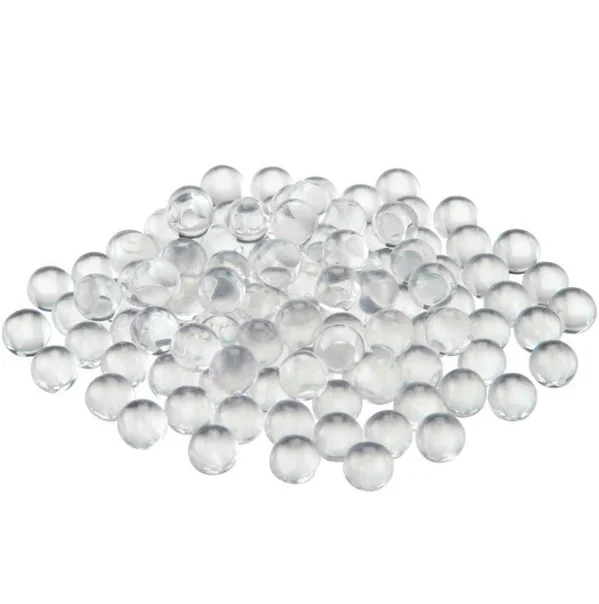
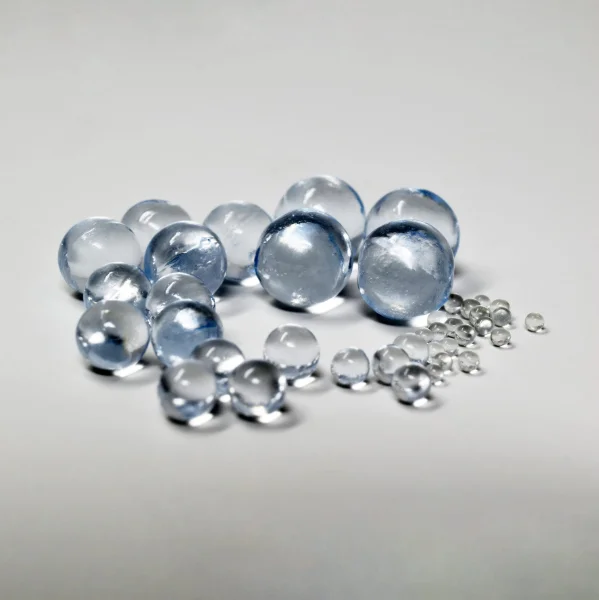
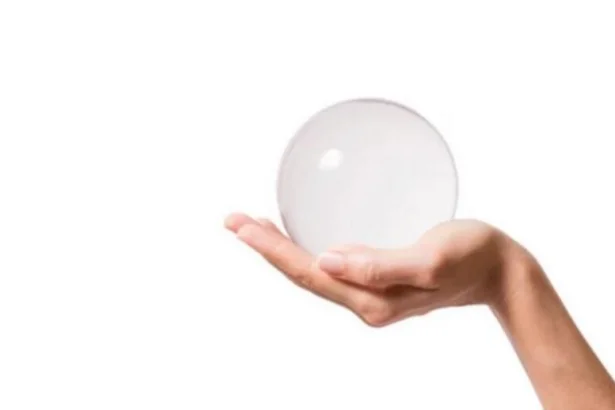
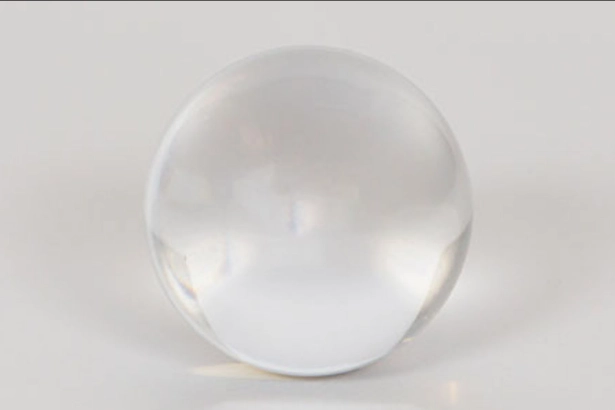
Borosilicate Glass Balls


Compared with soda-lime glass, borosilicate glass is widely known for its very low thermal expansion (about 3.3 × 10?? K?1), which helps it handle rapid temperature changes with lower risk of cracking.
Borosilicate Glass Balls / Borosilicate Glass Spheres are commonly specified for applications requiring high temperature resistance, chemical stability, and precise sealing performance. Typical use cases include analytical instruments, laboratory and medical devices, and valve designs where material reliability under thermal and chemical stress is essential.
Borosilicate glass is generally defined by a composition rich in silicon oxide (SiO?) and boron oxide (B?O?). This structure results in low thermal expansion, strong resistance to thermal shock, and enhanced durability compared with conventional glass types. These characteristics make precision borosilicate glass balls well suited for components exposed to rapid temperature changes or sustained high-temperature operation.
In addition, borosilicate glass is widely recognized for its resistance to water and to many acids and alkalis. This chemical inertness supports long-term stability in harsh media, particularly in sealing or contact applications where corrosion resistance directly affects service life and performance.
Common Applications
High-temperature-resistant glass balls for instruments, laboratory equipment, medical devices, and chemical-use assemblies
Chemical-resistant glass balls for sealing or contact with aggressive media, including water and many acids or alkalis
Valve sealing elements where thermal shock resistance and corrosion resistance are critical design requirements
As an experienced borosilicate glass balls supplier, Changzhou Eurasian supports demanding industrial and precision applications with stable quality control, consistent dimensional accuracy, and reliable material performance.
Why Choose Changzhou Eurasian
Certified Quality for Demanding Industries
Changzhou Eurasian operates manufacturing and quality management systems certified to IATF 16949:2016 and other internationally recognized standards. These systems, widely adopted by global automotive and precision industries, enable us to apply automotive-grade process control across aluminum balls and other industrial balls. As a result, customers benefit from stable mechanical performance, tight dimensional consistency, and reliable batch-to-batch repeatability—even for applications that traditionally rely on materials such as precision glass balls.
Deep Heat Treatment and Materials Expertise
With long-term experience in producing high-precision chrome steel, stainless steel, and carbon steel balls, Eurasian has built strong metallurgical know-how supported by CQI-9-based heat treatment systems and advanced inspection equipment. This same expertise is applied to aluminum ball development and manufacturing, ensuring controlled hardness, uniform microstructure, and precise geometry. Such cross-material capability allows us to meet performance expectations comparable to those of a glass sphere ball, while offering alternative material solutions when required.

One-Stop Supply for a Full Range of Precision Balls
From bearing steel balls (GCr15 / AISI 52100) to stainless steel, aluminum, carbon steel, and special balls, Changzhou Eurasian provides a consolidated supply source for multiple projects and platforms. This unified approach simplifies supplier management, aligns quality standards across materials, and reduces overall procurement and logistics costs—especially for customers sourcing different ball types across automotive, industrial, and export programs.
Proven Experience with Global OEM and Export Customers
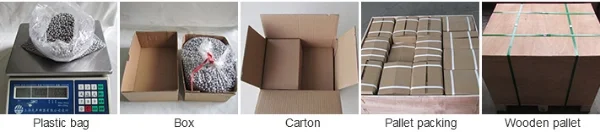
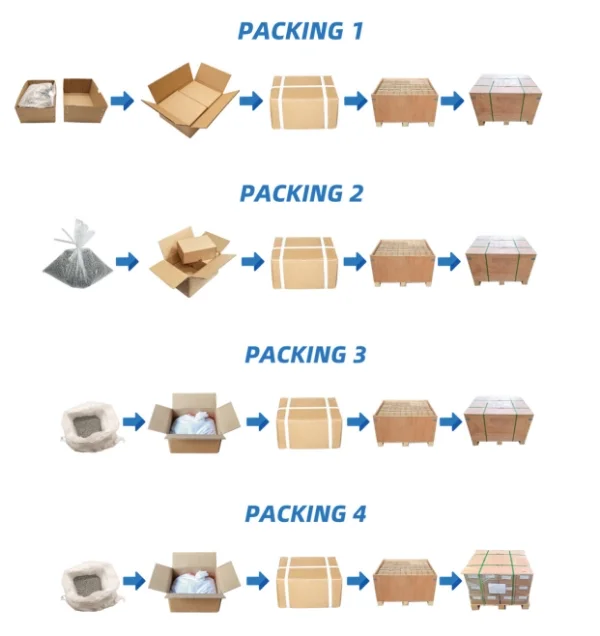
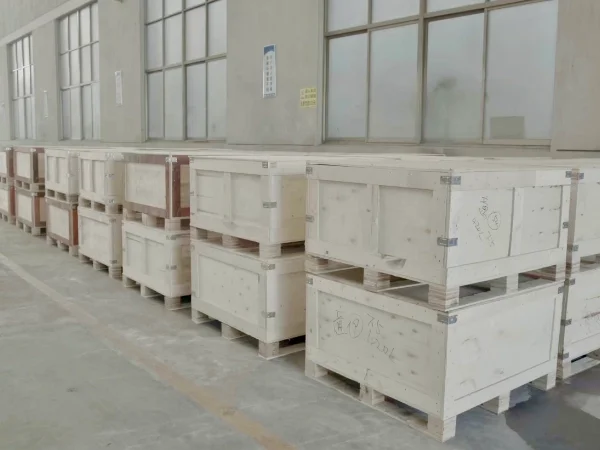
Changzhou Eurasian supplies precision balls for automotive seat systems, wheel bearings, industrial equipment, and other export-oriented applications through long-term cooperation with overseas customers. Our team is well-versed in international documentation, packaging standards, and inspection requirements, ensuring smoother project execution and more predictable aluminum ball sourcing.
Stable Capacity with Flexible Cooperation Models
Backed by established production lines and daily output measured in tons, Changzhou Eurasian supports both pilot trials and large-volume programs with dependable lead times. Flexible MOQs, customized packaging options, and responsive technical communication help customers introduce aluminum balls into new designs while effectively managing risk, cost, and delivery schedules.

Q1: What is the key advantage of borosilicate glass balls vs soda-lime glass balls?
Borosilicate glass has a much lower thermal expansion coefficient (around 3.3 × 10?? K?1), making it far more resistant to thermal shock than ordinary soda-lime glass in many industrial and laboratory applications.
Q2: Are borosilicate glass balls chemical resistant?
Yes. Borosilicate glass is highly resistant to water and many acids and alkalis, which is why it is widely used in chemical, medical, and lab environments.
Q3: What does “borosilicate 3.3” mean?
“Borosilicate 3.3” refers to borosilicate glass with a thermal expansion coefficient of approximately 3.3 × 10?? K?1, typically specified over the 0–300°C temperature range.
Q4: What is the typical density of borosilicate glass?
A standard reference density for borosilicate glass 3.3 is 2.23 ± 0.02 g/cm3.
Q5: What is borosilicate glass made of?
Borosilicate glass is primarily composed of silicon oxide (SiO?) and boron oxide (B?O?), which together provide durability, low thermal expansion, and excellent chemical resistance.
Q6: Are borosilicate glass balls suitable for harsh temperature changes?
Yes. Thanks to their low thermal expansion and enhanced thermal shock resistance, borosilicate glass balls tolerate rapid temperature fluctuations better than many common glass types.
Q7: Where can I source high-quality borosilicate glass balls?
Changzhou Eurasian is a trusted borosilicate glass balls manufacturer and supplier, offering precision borosilicate glass balls and other high-quality precision glass balls for laboratory, industrial, and valve applications.